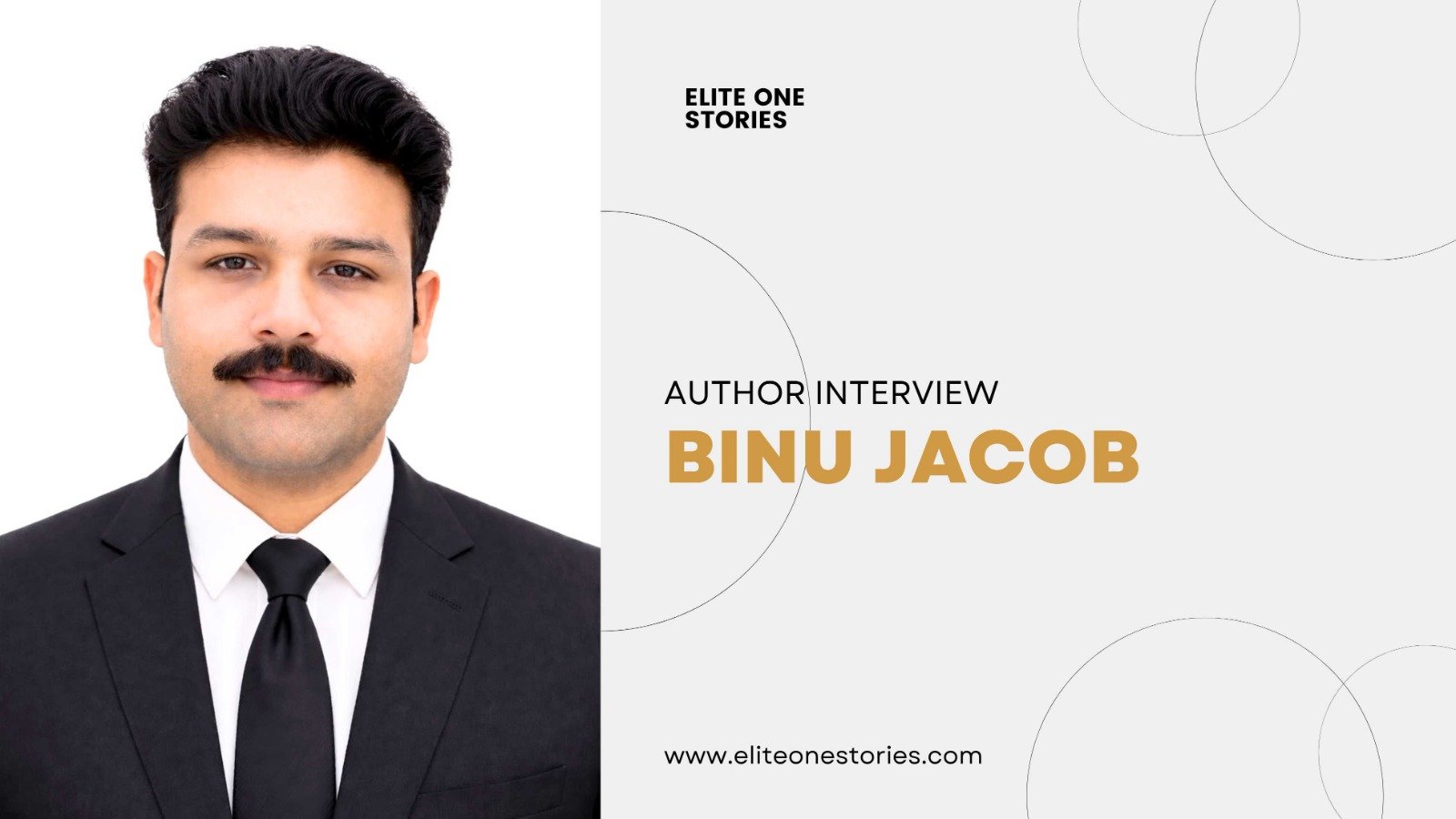
Binu Jacob is an Indian author, business professional, and storyteller whose writing is inspired by real emotions, meaningful relationships, and everyday life. With over a decade of corporate leadership experience, he brings authenticity and warmth to his stories. His debut novel, When Silence Learned to Love, is a heartfelt coming-of-age romance that celebrates friendship, first love, patience, and the beauty of unspoken emotions. Through simple yet impactful storytelling, Binu aims to create stories that resonate with readers across generations.
The Literature Times: 1. When Silence Learned to Love is your debut novel. What inspired you
to write this story?
Binu Jacob: This story was inspired by the quiet emotions many people experience but rarely
express. I wanted to write about love that grows through patience, respect, and understanding
rather than dramatic moments. The novel reflects the beauty of first love, lasting friendships, and
the memories that stay with us throughout life.
The Literature Times: 2. The novel beautifully explores love through silence rather than
constant communication. What drew you to this unique concept?
Binu Jacob: I believe silence often carries emotions that words cannot express. In today’s world,
we communicate constantly through messages and social media, but genuine feelings are often
found in small gestures, trust, and understanding. I wanted to show that true love doesn’t always
need words—it needs connection.
The Literature Times: 3. Amrit and Shagun share a promise never to speak at school. How did
this idea shape the emotional journey of the story?
Binu Jacob: That promise became the emotional foundation of the novel. It taught both
characters patience, discipline, and respect for each other’s feelings. Their silence created
anticipation, making every glance, smile, and meeting more meaningful than ordinary
conversations.
The Literature Times: 4. How much of the novel is inspired by real-life experiences, memories,
or observations?
Binu Jacob: While the story is fictional, many emotions and situations are inspired by real-life
observations and experiences. I have always been fascinated by how simple moments and
genuine relationships leave lifelong memories. Those emotions shaped the heart of this novel.
The Literature Times: 5. The story is set against the backdrop of school life and first love. Why
do you think these experiences leave such a lasting impact on us?
Binu Jacob: School is where we experience many emotions for the first time—friendship,
dreams, innocence, and love. These memories remain with us because they are genuine and
untouched by life’s later complexities. They shape who we become.
The Literature Times: 6. As someone with a corporate leadership background, how did your
professional journey influence your writing process?
Binu Jacob: My corporate career taught me discipline, consistency, and the importance of
understanding people. Those qualities helped me stay committed throughout the writing process.
Leadership is about understanding human emotions, and storytelling is no different.
The Literature Times: 7. Your writing uses simple English while conveying deep emotions. Was
this a conscious decision to make your work more accessible?
Binu Jacob: Absolutely. I wanted readers from every background to enjoy the story without
language becoming a barrier. My goal was to write with simplicity while ensuring the emotions
remained powerful and relatable.
The Literature Times: 8. What message or feeling do you hope readers take away after finishing
When Silence Learned to Love?
Binu Jacob: I hope readers finish the book believing that genuine love is built on trust, patience,
respect, and kindness. I also want them to cherish the relationships in their own lives and realize
that sometimes the deepest emotions are expressed without words.
The Literature Times: 9. What were the biggest challenges you faced while writing and
publishing your debut novel?
Binu Jacob: Balancing a demanding corporate career with writing was my biggest challenge.
Publishing also involved learning about editing, formatting, cover design, distribution, and
marketing. Every challenge became an opportunity to grow, and the journey made the book even
more meaningful.
The Literature Times: 10. Can readers expect more stories from you in the future, and what
genres or themes would you like to explore next?
Binu Jacob: Yes, definitely. This is only the beginning of my writing journey. I plan to explore
inspirational fiction, human relationships, leadership, personal growth, and stories that leave
readers with hope and meaningful life lessons. My aim is to write books that touch both the heart
and the mind.