Fiction vs Non-Fiction Book Writing: Key Differences in Process
Writing a book is more than simply putting words together. Every author follows a unique creative journey depending on whether they are writing fiction or non-fiction. Although both styles require dedication, creativity, discipline, and strong writing skills, the process behind them is completely different. Understanding the difference between fiction vs non-fiction book writing helps authors choose the right writing style, improve their content, and connect better with their target audience.
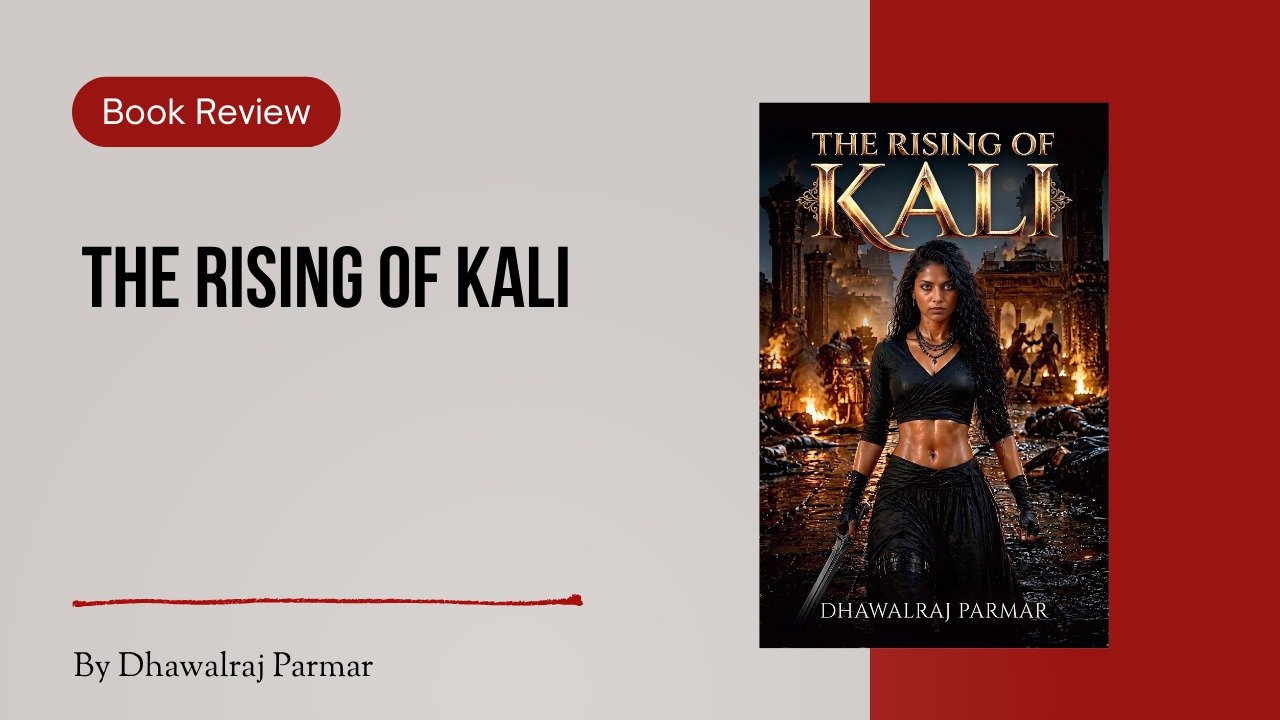
Fiction book writing is built on imagination, storytelling, and creativity. Fiction writers create characters, emotional situations, dialogues, and fictional worlds that entertain readers and make them emotionally invested in the story. Whether it is romance, thriller, fantasy, horror, or mystery, fiction writing focuses heavily on character development, storytelling techniques, pacing, and emotional depth. The main goal of fiction writing is to make readers escape reality and experience a completely different world through the author’s imagination.
In fiction writing, authors have the freedom to create their own universe, shape characters according to the story, and build suspense or emotional drama that keeps readers engaged until the final page. Fiction writers often spend a lot of time planning plots, developing backstories, and creating realistic emotions that make fictional stories feel real and relatable.
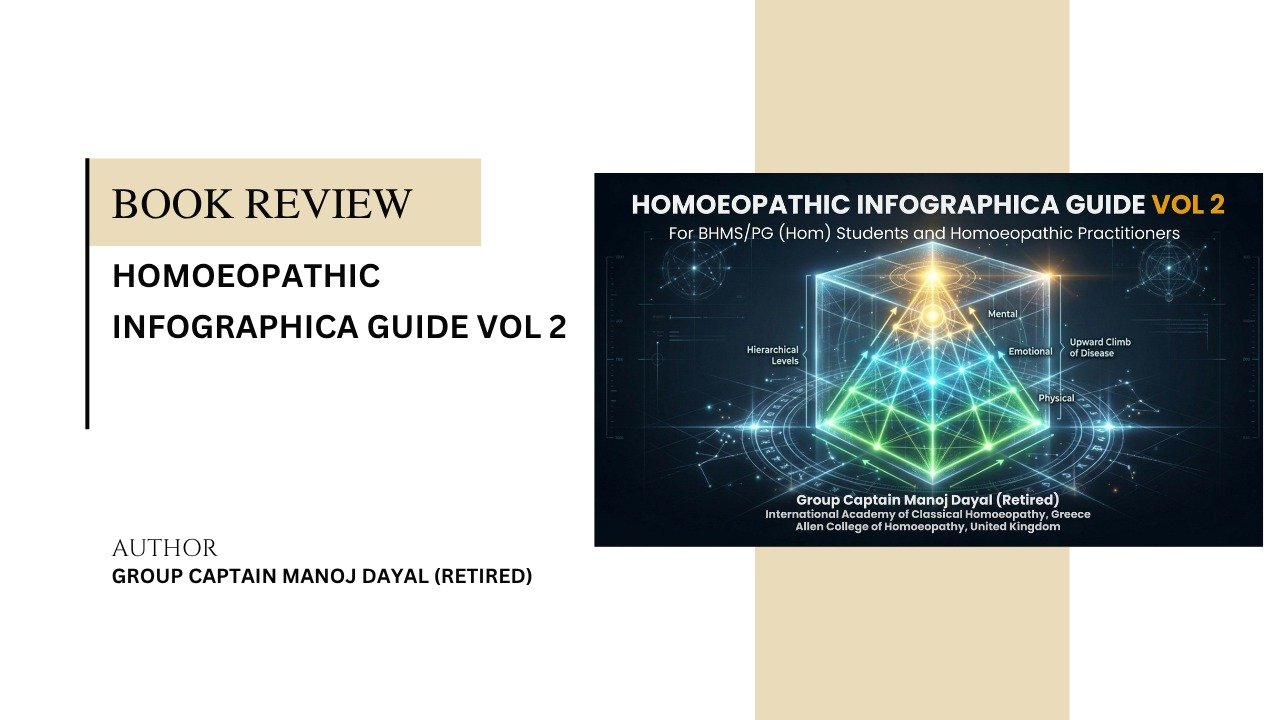
Non-fiction book writing, on the other hand, is based on facts, real-life experiences, knowledge, and research. Genres such as self-help, memoir, biography, business, educational, motivational, and health books come under non-fiction writing. The primary purpose of non-fiction is to educate, inform, inspire, or guide readers with valuable and trustworthy information. Unlike fiction writing, non-fiction writers must focus on accuracy, clarity, credibility, and proper research while presenting information in an engaging way.
One of the biggest differences in the fiction and non-fiction writing process is creativity versus research. Fiction writers depend more on imagination and storytelling skills, while non-fiction writers spend significant time collecting information, organizing ideas, verifying facts, and structuring content properly. Fiction gives writers creative freedom, whereas non-fiction requires authenticity and reader trust.
The planning process also differs greatly. Fiction writers may start with a simple idea, character, or scene and allow the story to develop naturally during writing. Many fiction authors discover new twists and emotional moments as the story moves forward. In contrast, non-fiction writers usually create detailed outlines before writing begins. Since non-fiction content often contains educational or informative material, proper structure and organization are extremely important.
Writing style is another major difference between fiction and non-fiction books. Fiction writing is usually descriptive, emotional, immersive, and imaginative. Writers use detailed scenes, creative dialogue, and emotional storytelling to keep readers connected. Non-fiction writing is more direct, informative, and practical. The focus remains on delivering useful information in a simple and engaging manner that readers can easily understand.
Research plays an important role in both styles, but the depth of research varies. Fiction writers may research locations, historical periods, cultures, or professions to make stories realistic. However, non-fiction writers rely heavily on detailed research because readers expect factual accuracy and valuable insights. Incorrect information in non-fiction writing can damage the credibility of the book and the author.
Another important difference is reader expectation. Fiction readers search for entertainment, emotional connection, suspense, and imagination. They want stories that make them feel excited, emotional, or inspired. Non-fiction readers look for knowledge, guidance, practical solutions, and real experiences that can help them improve their lives or learn something valuable.
Both fiction and non-fiction book writing are equally important in today’s publishing industry. Fiction inspires creativity, imagination, and emotional storytelling, while non-fiction helps share knowledge, experiences, and real-world understanding. Whether an author chooses fiction or non-fiction, success depends on understanding the audience, maintaining quality, and creating meaningful content that leaves a lasting impact on readers.
For aspiring authors, understanding the key differences between fiction and non-fiction writing can make the book writing process easier and more effective. Choosing the right writing style based on your goals, ideas, and audience is the first step toward creating a successful and impactful book.