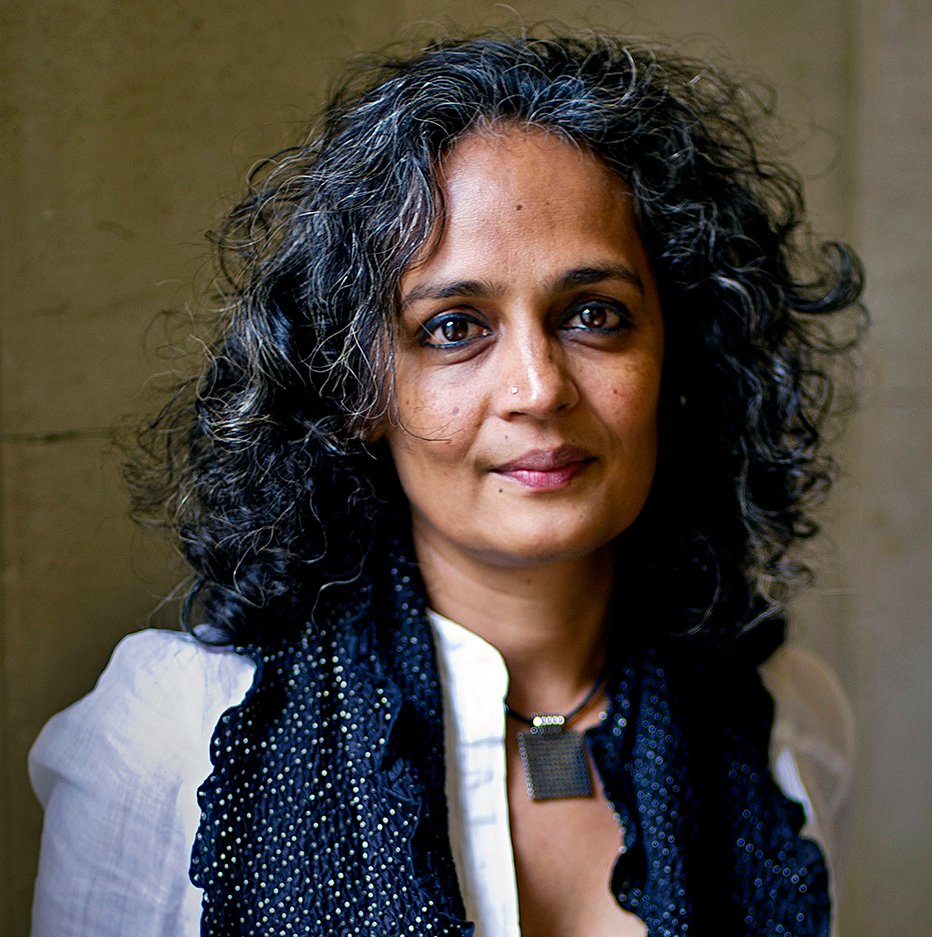
Few writers have managed to leave an impact on both literature and public discourse as profoundly as Arundhati Roy. Her journey from studying architecture in Delhi to becoming one of the most celebrated authors in the world is a remarkable story of talent, courage, and conviction.
Born in 1959 in Shillong, India, Roy rose to international prominence with her debut novel, The God of Small Things. Published in 1997, the novel captivated readers with its lyrical prose, emotional depth, and fearless exploration of caste, family, history, and forbidden love. At the heart of the novel lies a powerful idea reflected in one of its most memorable passages: that human lives are shaped by the “Love Laws” — the invisible rules that dictate who should be loved, and how much. This extraordinary work earned Roy the prestigious Booker Prize, making her one of the most influential literary voices of her generation.
Rather than remaining within the boundaries of fiction, Roy used her platform to engage with some of the most pressing social and political issues of our time. Through works such as Walking with the Comrades, The End of Imagination, Kashmir: The Case for Freedom, and The Doctor and the Saint, she challenged readers to question systems of power, inequality, and injustice. Her writings consistently demonstrated that literature can be both beautiful and transformative.
Roy continued to expand her literary legacy with acclaimed works including The Ministry of Utmost Happiness, Azaadi: Freedom. Fascism. Fiction., and Mother Mary Comes to Me. Across genres—fiction, essays, and political commentary—she has remained committed to giving voice to those often left unheard.
Her contributions have been recognized globally through numerous honors, including the Booker Prize, the Lannan Foundation Cultural Freedom Prize, the Norman Mailer Prize for Distinguished Writing, and the Ambedkar Sudar Award. Yet her greatest achievement may be her ability to inspire readers to think critically, empathize deeply, and imagine a more just world.
Arundhati Roy’s success story is not simply one of literary acclaim. It is the story of a writer who transformed words into a force for social reflection and change. Through her novels, essays, and unwavering commitment to truth, she has shown that literature can do far more than tell stories—it can challenge history, confront injustice, and reshape the way we see the world.