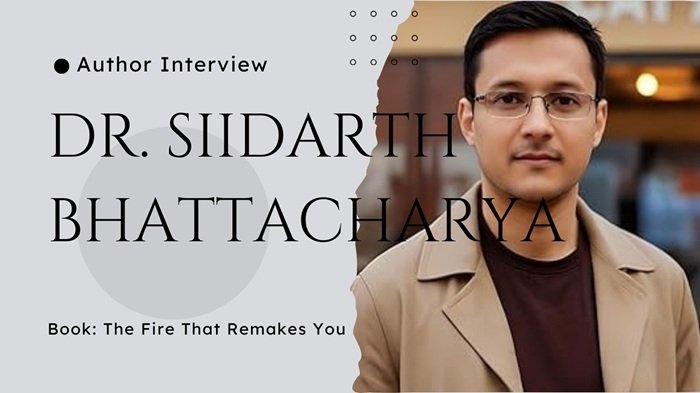
Many readers feel emotionally numb or disconnected when they start your book. Who is this book truly written for?
Author: This book is really written for people who look functional on the outside but feel lost on the inside. Emotional numbness is often the nervous system’s way of protecting you when life has been overwhelming for too long. It doesn’t mean you’re broken — it means you’re overloaded. I wrote this book for professionals, caregivers, leaders, and everyday people who have carried responsibility quietly and suddenly find themselves disconnected from joy, purpose, or identity. If you’ve ever thought, “I don’t recognize myself anymore,” you’re exactly who this book is for. It meets readers where they are — whether they’re in deep Ashes or just sensing something is shifting. Numbness isn’t the absence of feeling. It’s the pause before feeling returns.
You write, “You are not broken—you are becoming.” What does this mean in real-life terms?
Author: In real life, it means that what feels like falling apart is often restructuring. When a career changes, a relationship ends, or identity shifts, we assume something is wrong with us. But often, it’s life asking us to evolve beyond a version that no longer fits. Becoming isn’t comfortable. It involves uncertainty, grief, and confusion. But growth rarely feels like confidence at first — it feels like disorientation. When I say “you are becoming,” I mean that the discomfort is evidence of movement. Something inside you is reorganizing. Instead of asking, “What’s wrong with me?” the more helpful question becomes, “What is trying to change in me?” That shift alone restores hope.
In Unlearning the Voice Inside, you speak about rewriting internal narratives. How can someone begin this process?
Author: The first step is awareness. Most people don’t realize how much of their internal voice isn’t actually theirs — it’s inherited from expectations, criticism, culture, or past experiences. Start by noticing the language you use with yourself during stress. Is it harsh? Judgmental? Absolute? Once you see the pattern, gently question it. Ask: “Is this voice helping me grow, or keeping me small?” Rewriting doesn’t mean forced positivity. It means replacing distortion with truth. Instead of “I always fail,” it becomes “This didn’t work, and I’m learning.” Small shifts in language create big emotional shifts over time. The goal isn’t perfection — it’s kindness with accountability.
How does emotional honesty differ from positivity, and why is that distinction important?
Author: Positivity often focuses on feeling better quickly. Emotional honesty focuses on feeling truthfully first. If someone is grieving, saying “everything happens for a reason” may sound encouraging, but it bypasses the actual emotion. Emotional honesty says, “This hurts. And it makes sense that it hurts.” That validation is powerful because the nervous system relaxes when it feels understood. Positivity has its place — but only after truth is acknowledged. Otherwise, it becomes pressure. In the book, I emphasize that healing begins with honesty, not optimism. When you face reality gently, resilience follows naturally.
You mention that pain should be understood, not fixed. Can you explain this idea?
Author: Pain is information. It tells us where something matters, where something changed, or where something was lost. When we rush to fix pain, we often silence the message before we understand it. For example, burnout isn’t just exhaustion — it may signal misalignment, over-responsibility, or unmet emotional needs. Understanding pain means asking: What is this feeling trying to show me? Once pain is understood, solutions become clearer and more sustainable. Fixing without understanding is temporary. Understanding creates transformation. Pain isn’t the enemy. It’s a messenger.
What are the most common emotional blocks you’ve seen in people going through major life transitions?
Author: The biggest block is identity fear — the fear of not knowing who you are without your old roles. People often cling to familiar versions of themselves, even when those versions are painful, because uncertainty feels more threatening than discomfort. Another common block is self-judgment — believing they “should be stronger” or “should be over it.” That pressure slows healing. And finally, there’s fear of starting again. Many people think reinvention means losing everything they built. But reinvention usually means integrating experience into something more aligned. When these fears soften, movement begins naturally.
The Fire Ritual feels like a sacred closure. What inspired you to include it?
Author: I included the Fire Ritual because transformation isn’t just cognitive — it’s emotional and physical. During my own transition, I realized understanding something intellectually didn’t create closure. I needed a moment that marked change — a deliberate act of release. Ritual creates psychological completion. When you write something down and consciously let it go, the brain registers transition differently. Across cultures, rituals have always marked endings and beginnings — grief, marriage, rebirth. The Fire Ritual is simply a modern, grounded version of that principle. It allows people to move from Ashes into Flame with intention, not accident.
How can readers maintain emotional resilience when they feel stuck in the “Ashes” phase?
Author: First, recognize that feeling stuck is part of Ashes. The nervous system slows down after shock or loss. Instead of forcing movement, focus on stabilization. Simple things matter — sleep, hydration, gentle routine, supportive conversations. Emotionally, resilience grows when we reduce self-criticism. Ashes aren’t proof of weakness — they are evidence of change. I often tell readers: you don’t need to see the whole path right now. You just need to take one honest step. Resilience is built through small acts of self-trust repeated over time.
What is one daily practice from the book you recommend to anyone feeling overwhelmed?
Author: A simple grounding check-in. Once a day, pause and ask three questions: What am I feeling right now? What do I need right now? What is one small thing I can do next? This practice reconnects awareness, compassion, and action. Overwhelm often comes from feeling powerless. Identifying one small next step restores agency. It moves you from chaos into choice — from Ashes toward Spark. It takes less than two minutes, but it builds emotional regulation over time.
What does “rising differently” mean to you?
Author: Rising differently means not returning to who you were before collapse. Many people think healing means going back to normal. But transformation creates a new normal. Rising differently means you rebuild with more awareness, clearer boundaries, deeper self-trust, and intentional choices. You carry the wisdom of the fire with you. You’re not starting over — you’re starting from experience. And that difference changes everything.