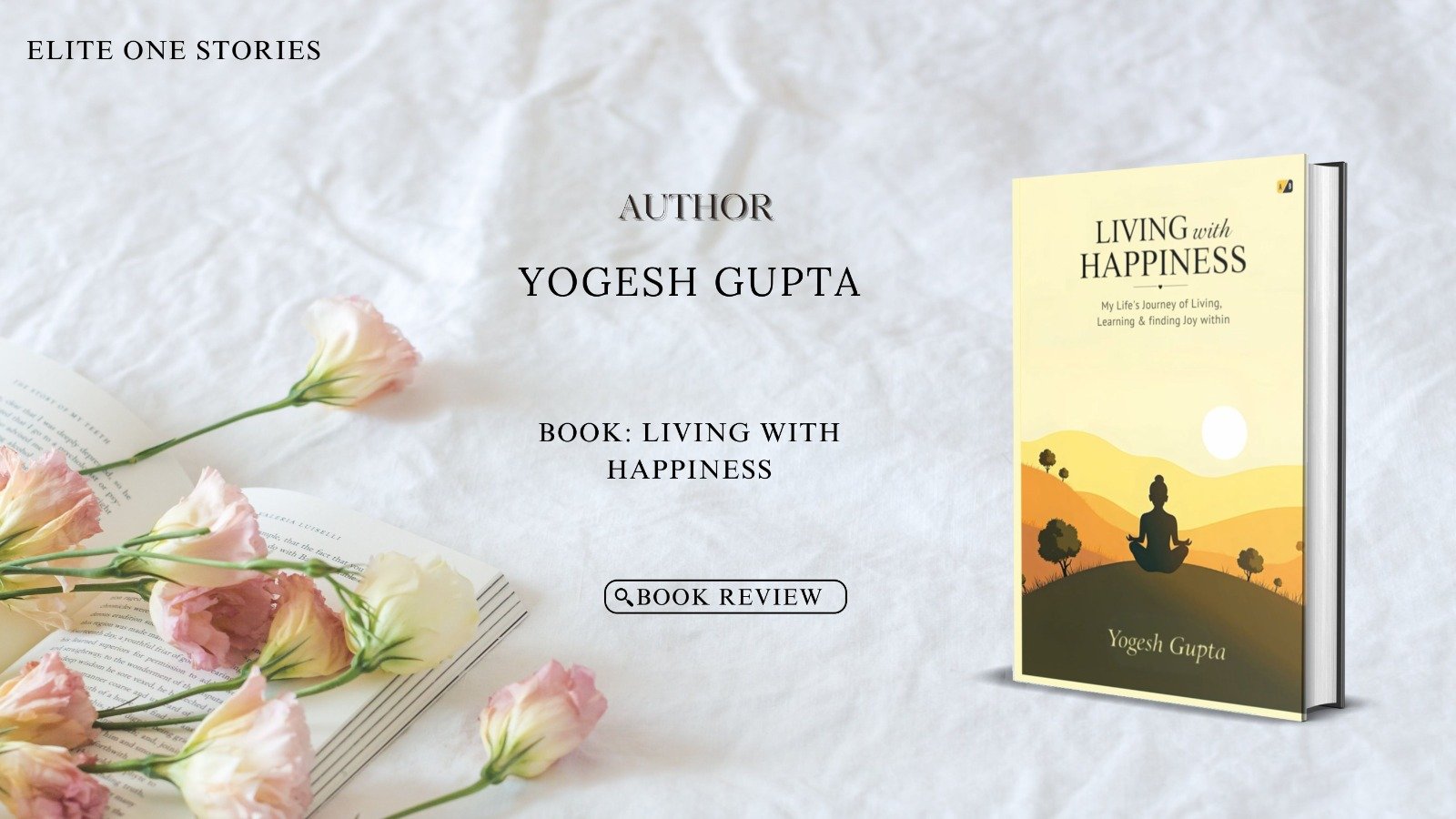
Living With Happiness by Yogesh Gupta is a gentle yet deeply reflective book that invites readers to rethink one of the most universal human pursuits—happiness. Rather than presenting happiness as a destination to be reached through success, wealth, or recognition, the book reframes it as a way of living, rooted in awareness, gratitude, and inner balance. From the very first pages, it becomes clear that this is not a prescriptive self-help manual filled with quick fixes, but a thoughtful companion for anyone who has ever felt that despite “doing everything right,” something still feels missing.
What makes the book resonate is its simplicity. Yogesh Gupta writes with clarity and warmth, making complex emotional and psychological ideas accessible without oversimplifying them. He acknowledges a truth most people quietly live with: that happiness often feels temporary and fragile when it depends on external circumstances. Achievements bring joy, but the joy fades. Relationships bring comfort, but they also bring expectations and disappointments. Through calm reflection, the book gently guides readers toward the understanding that lasting happiness comes from an inner state of being rather than from what life gives or takes away.
A strong theme throughout the book is mindfulness—not as a rigid practice, but as a way of being present in everyday life. Gupta emphasizes how much of our unhappiness stems from living either in the regrets of the past or the anxieties of the future. By learning to inhabit the present moment fully, readers are encouraged to notice the small, often overlooked aspects of life that quietly nurture happiness. This approach feels realistic and compassionate, especially for readers who may feel overwhelmed by the idea of dramatic life changes.
Positivity in Living With Happiness is not portrayed as forced optimism or denial of pain. Instead, it is framed as a conscious choice to respond to life with balance and perspective. Gupta acknowledges that life is imperfect and often unfair, but he gently challenges readers to examine how their habitual thoughts shape their emotional experiences. By cultivating positive thinking grounded in realism, the book suggests that one can remain hopeful and resilient even during difficult times.
Another meaningful aspect of the book is its exploration of fear. Fear of failure, fear of judgment, fear of comparison, and fear of not being “enough” are presented as invisible barriers that quietly steal joy from everyday life. Gupta does not promise the elimination of fear; instead, he encourages readers to understand it, face it, and gradually loosen its hold. This perspective feels especially authentic, as it aligns with the lived experiences of people navigating modern pressures, expectations, and constant social comparison.
The discussion around avoiding comparison is particularly relevant in today’s hyper-connected world. The book reminds readers that comparison is often the thief of contentment, pulling attention away from personal growth and gratitude. Gupta’s reflections encourage a return to self-awareness—understanding one’s own values, journey, and pace—rather than measuring life against someone else’s curated success. This message feels timely and necessary, offering relief to readers who feel caught in an endless cycle of self-judgment.
Gratitude serves as the emotional backbone of the book. Rather than treating gratitude as a superficial habit, Gupta presents it as a transformative mindset that reshapes how life is experienced. By appreciating what already exists—relationships, health, opportunities, and even challenges—readers are invited to discover a quieter, more stable form of happiness. The book gently suggests that gratitude does not deny hardship, but helps us see meaning and growth within it.
The author’s own life journey adds depth and authenticity to the narrative. Yogesh Gupta’s early experience of loss, his mother’s resilience, and his long corporate and coaching career subtly inform the wisdom shared throughout the book. His insights feel earned rather than theoretical, shaped by real challenges, professional interactions, and years of guiding others through growth and transformation. This background gives the book a sense of trustworthiness and emotional grounding.
Ultimately, Living With Happiness is a book that does not rush the reader. It encourages reflection, patience, and kindness toward oneself. It is less about changing who you are and more about rediscovering what already exists within you. By emphasizing mindfulness, gratitude, positivity, courage, and self-awareness, Yogesh Gupta offers a calm and reassuring reminder that happiness is not something to be chased relentlessly, but something to be lived with—quietly, consciously, and consistently.
For readers seeking a thoughtful, grounded perspective on happiness—one that honors both joy and struggle—this book offers gentle guidance and lasting insight. It leaves you not with grand promises, but with a subtle shift in how you see yourself and your life, which may be its greatest strength.