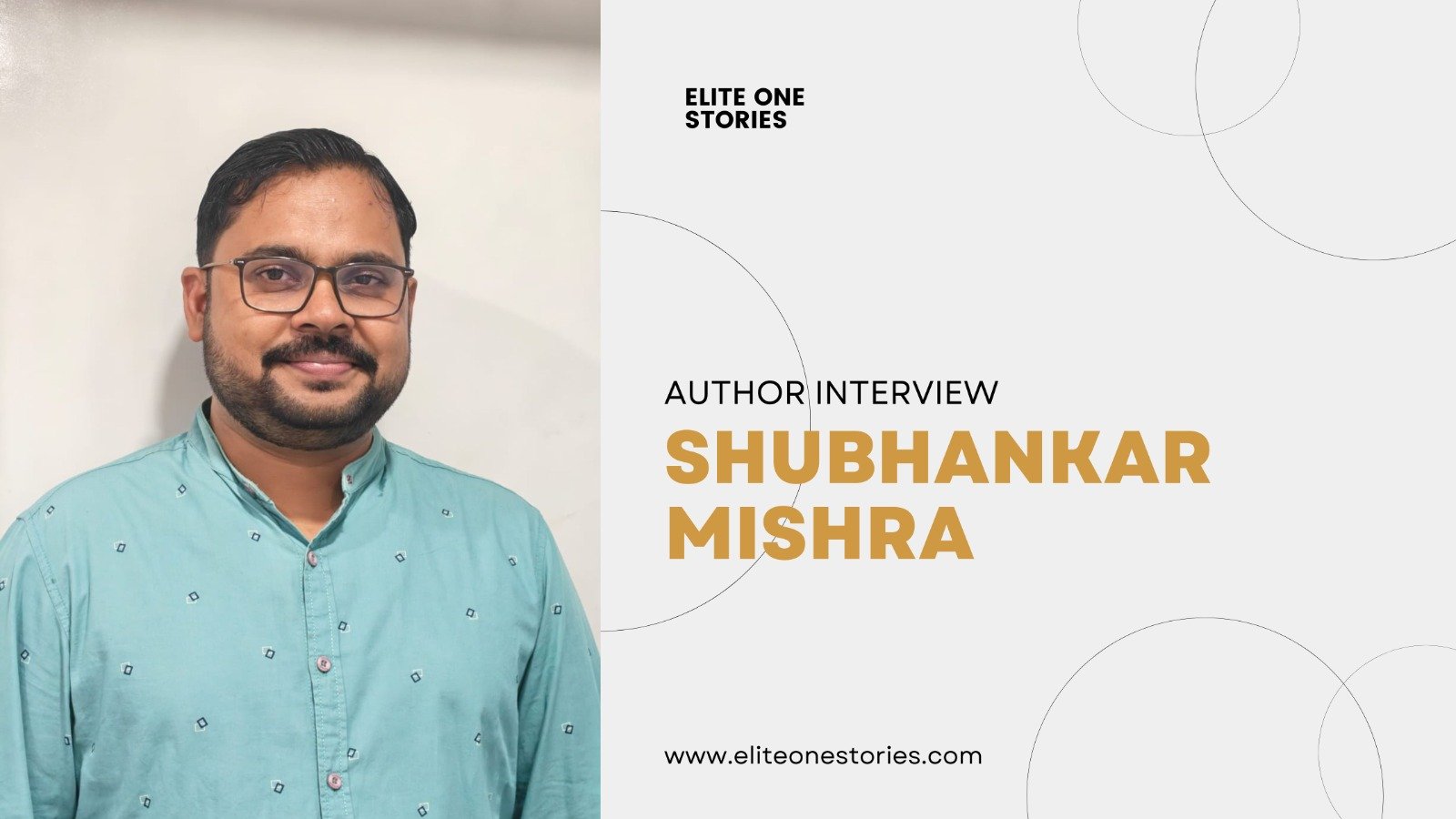
Shubhankar Mishra is a distinguished neurologist, researcher, and spiritual thinker from eastern India, known for seamlessly bridging science, consciousness, and ancient Indian wisdom. A gold medallist in both his postgraduate and post-doctoral studies in Neurology, he has trained at some of the most prestigious medical institutions in Odisha and holds fellowships in paediatric neurology and pain management.
Beyond medicine, Dr. Mishra is a passionate explorer of Indian history, astronomy, and the mysteries of human consciousness. A devout follower of Bhagawan Shiva and an ardent practitioner in the Kriya lineage of Mahavatar Babaji, he brings rare depth and authenticity to his storytelling. Through his acclaimed neuroscience blog neurons.blog and his writings on spirituality, Dr. Mishra invites readers to rediscover timeless truths. The First Love Story: Dakshayani marks his literary debut, where mythology, devotion, and insight converge.
The Eliteone: The First Love Story: Dakshayani focuses on a part of the Shiva–Shakti narrative that is often overlooked. What inspired you to begin the story here?
Shubhankar Mishra: The tale is one of the greatest tale of our times. But unfortunately most of us don’t know it except the climax. The union of Shiva-Shakti is the greatest foundation of this creation. That’s why I wrote it so that this book reaches every heart.
The Eliteone: Dakshayani is portrayed as courageous and deeply conscious. How do you see her relevance for today’s readers?
Shubhankar Mishra: She was a princess, yet she chose her path with an ascetic without expectations. She never demanded love; she surrendered herself. She is the epitome of a fierce independent woman who fought for her respect and choice.
The Eliteone: As a neurologist, how does your understanding of consciousness influence the way you approach mythology and storytelling?
Shubhankar Mishra: Consciousness is the unchanging seer. Mythology is a story with some exaggeration. Knowledge of the soul helps us to dig deeper in mythology,
The Eliteone: Many people know only the climax of Sati’s story. What do you hope readers unlearn or rediscover through this book?
Shubhankar Mishra: The real tale is much more beautiful. So everyone should read it and feel the story.
The Eliteone: Your work bridges neuroscience and Indian philosophy. Did these two worlds intersect while writing this book?
Shubhankar Mishra: yes definitely.
The Eliteone: Being a devout follower of Bhagawan Shiva, how personal was this writing journey for you?
Shubhankar Mishra: This book is the greatest blessing from Babaa and Maa. They wanted their tale to flow through my pen. I am just a medium.
The Eliteone: What challenges did you face while staying true to the original narrative yet making it engaging for modern readers?
Shubhankar Mishra: Maintaining the flow while staying original is difficult. Again, to keep it relevant for modern readers, we have to fill the gap.
The Eliteone: How does Dakshayani set the foundation for the larger Shiva–Shakti saga you envision?
Shubhankar Mishra: It’s a big tale. I am writing the next book, Himaputri. In my thought I will have a third part, Ekamra too. It all depends upon their wish, as I told you before. I am just a medium.
The Eliteone: Your blog neurons.blog has a strong following. How different is writing mythological fiction compared to writing scientific or awareness articles?
Shubhankar Mishra: Actually its not difficult. But time management is difficult.
The Eliteone: What message or emotion do you hope stays with readers long after they finish the book?
Shubhankar Mishra: Fate is a definite entity. Even the supreme deity has to face it. Love without expectations is always divine.